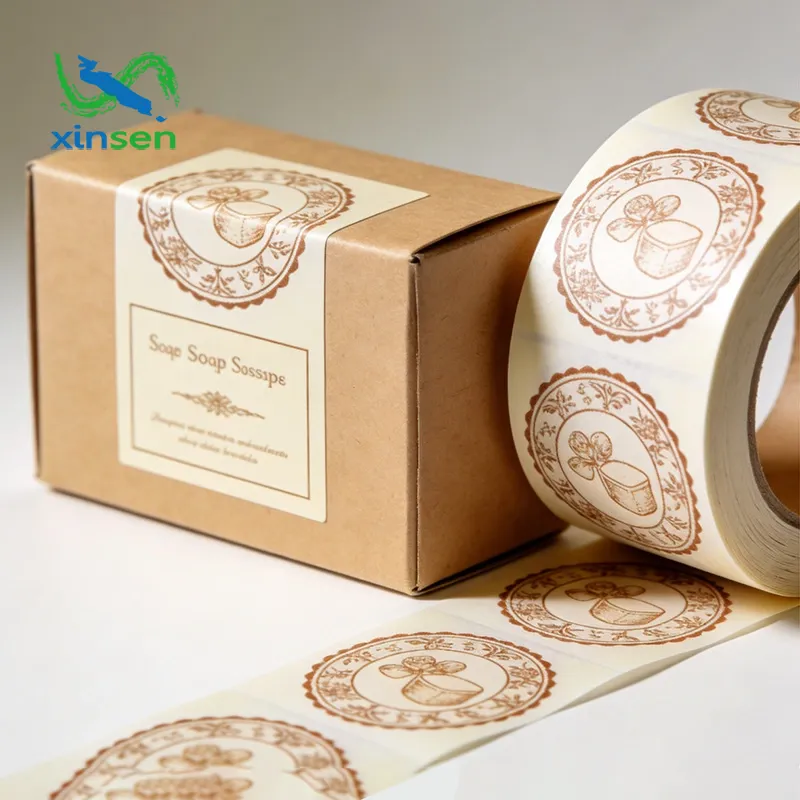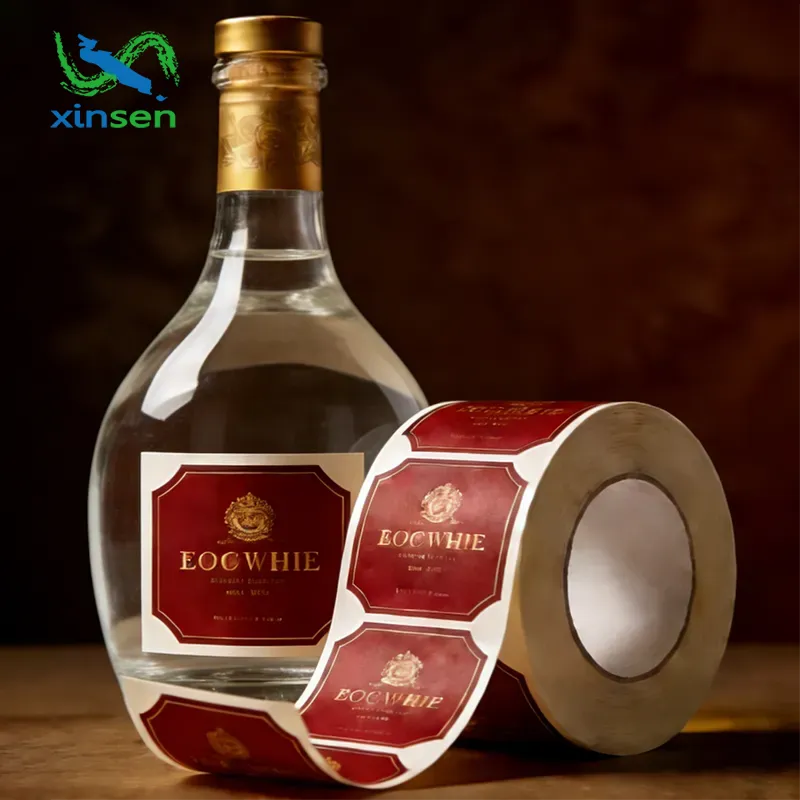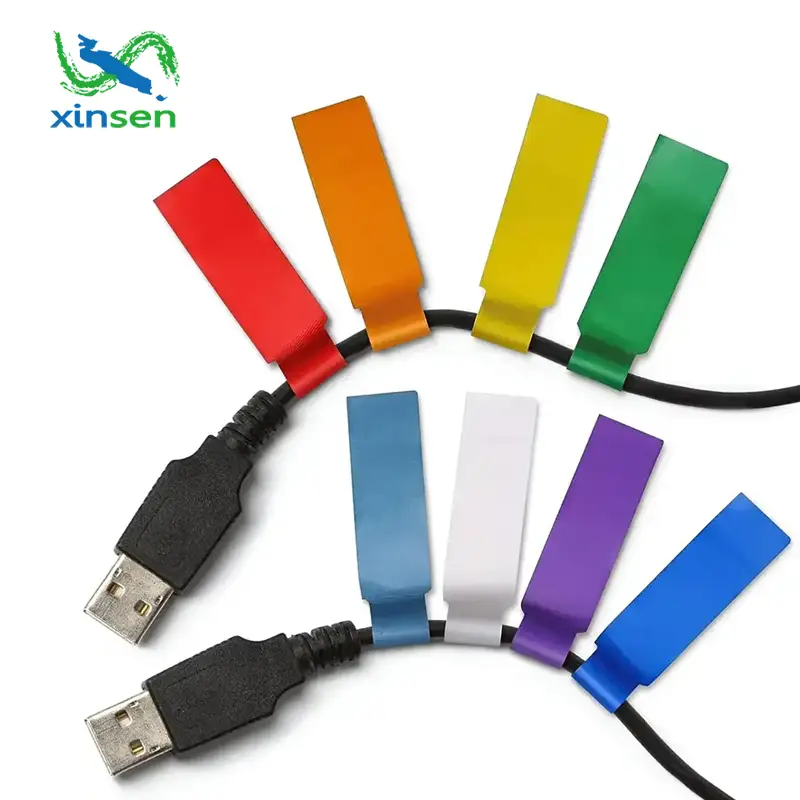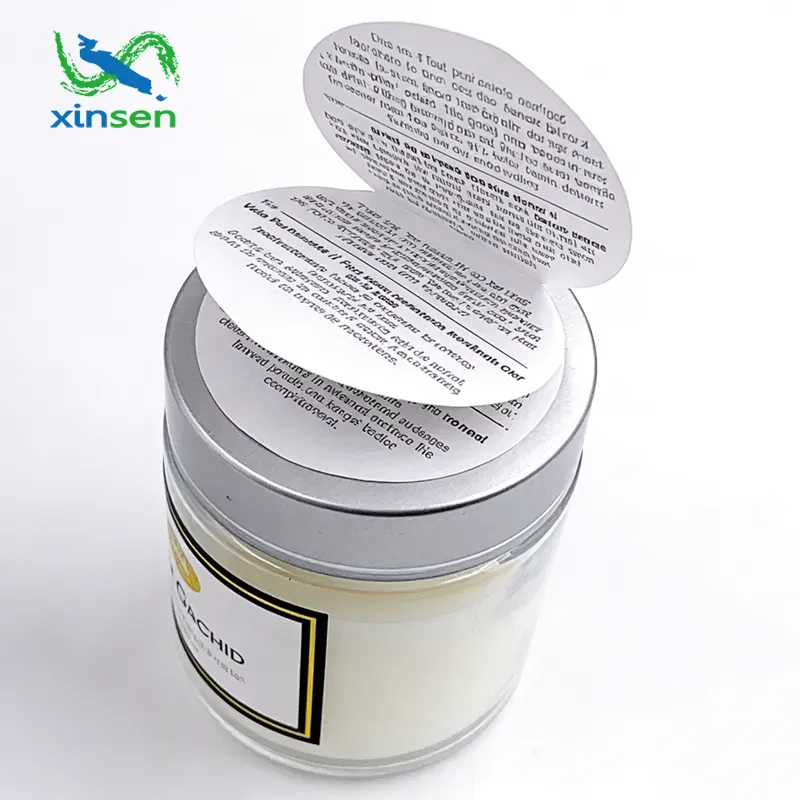
Blank print labels are a cornerstone of modern packaging, logistics, and branding strategies. From small businesses to large-scale manufacturers, these versatile labels enable customization, cost efficiency, and operational flexibility. This comprehensive guide explores their types, materials, applications, advantages, and best practices, helping businesses overcome common challenges such as durability, printing compatibility, and cost control.
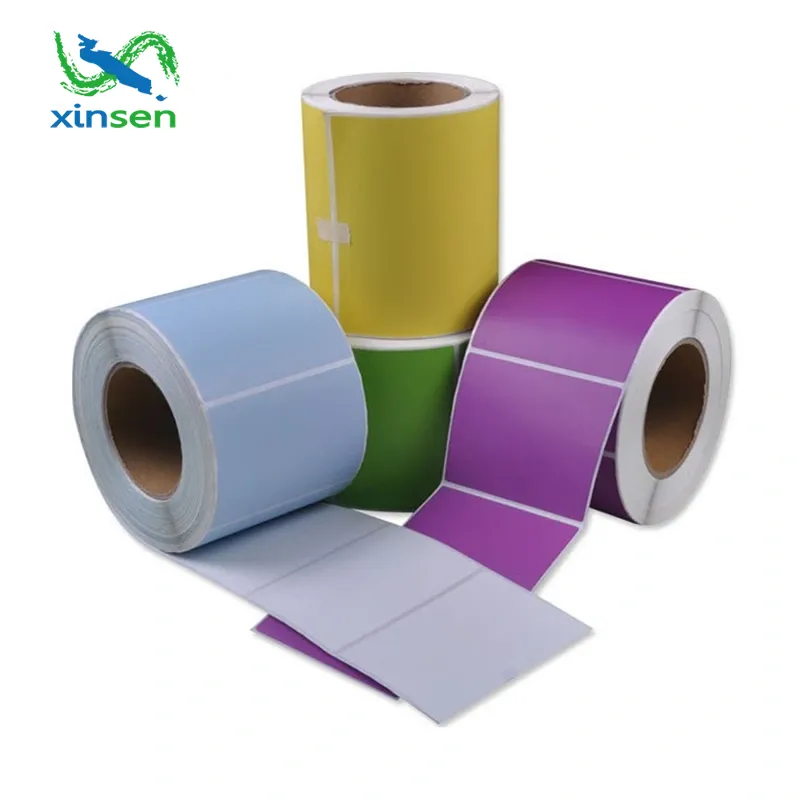
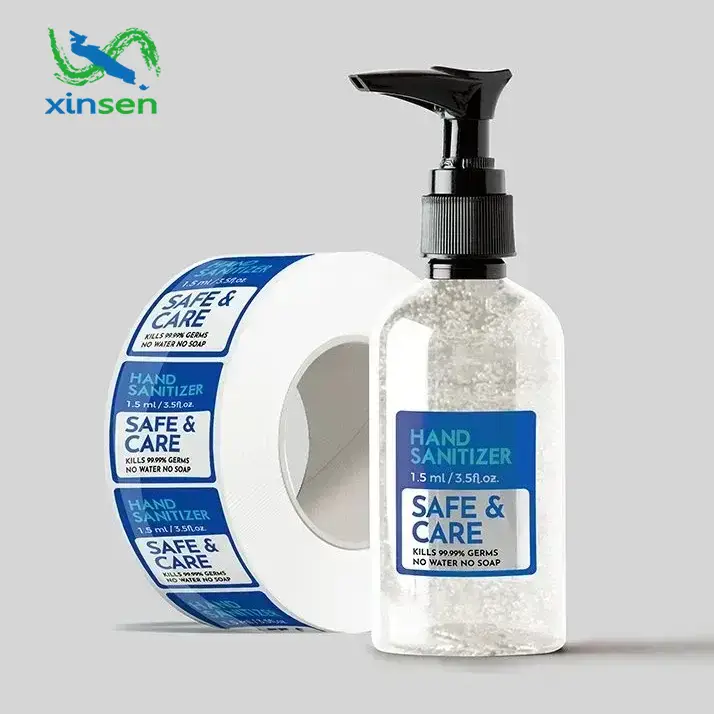
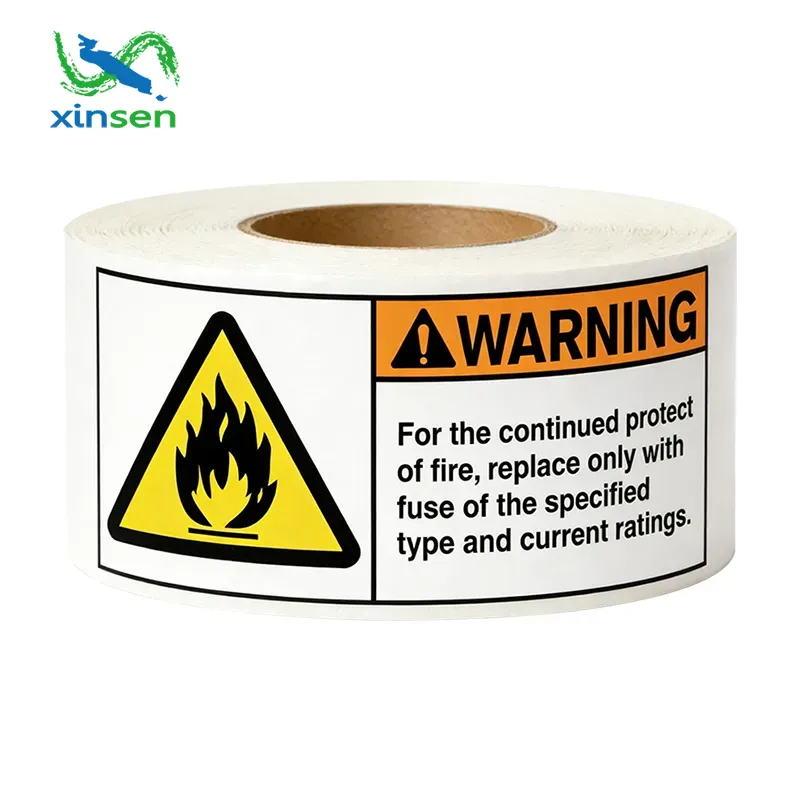
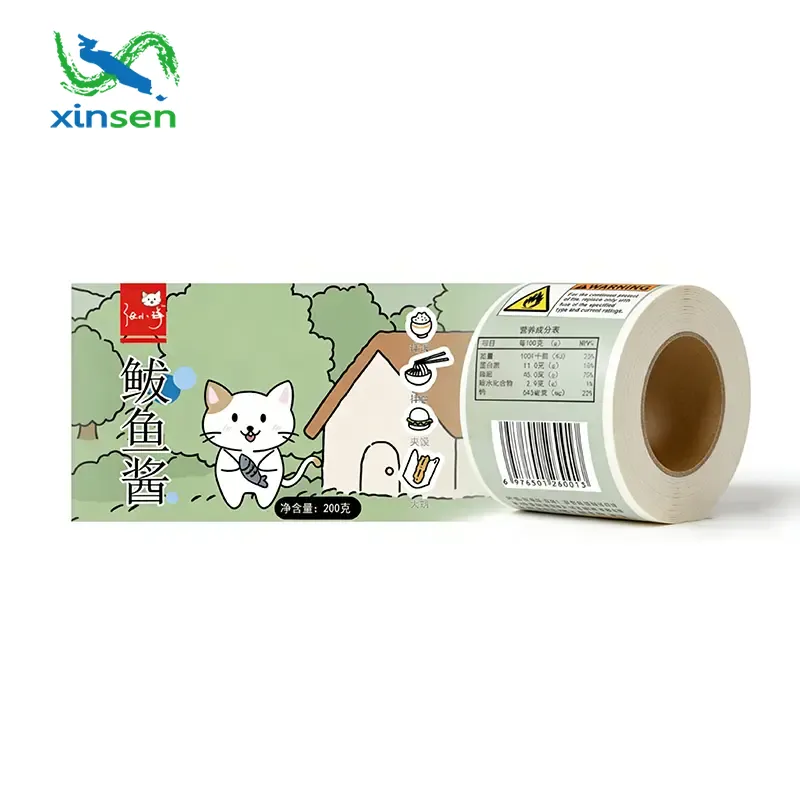
Blank print labels are unprinted adhesive labels that can be customized using printers. They are widely used for barcodes, shipping, branding, and product information. Unlike pre-printed labels, blank labels allow businesses to print only what they need, when they need it.
This flexibility makes them highly valuable in fast-paced industries where product information changes frequently. Whether you are running an e-commerce store or managing a warehouse, blank labels provide an efficient solution for dynamic labeling requirements.
Blank print labels come in various forms depending on application and printing technology.
| Type | Description | Best Use Case |
|---|---|---|
| Thermal Labels | Heat-sensitive labels used with thermal printers | Shipping and logistics |
| Inkjet Labels | Designed for inkjet printers | Colorful product branding |
| Laser Labels | Compatible with laser printers | Office and industrial use |
| Waterproof Labels | Resistant to moisture and liquids | Food and beverage packaging |
The choice of material significantly impacts label performance.
For example, PET labels are often used in industrial settings, while paper labels are common in retail packaging.
These benefits make blank labels particularly valuable for small and medium-sized enterprises looking to scale efficiently.
Blank print labels are used across multiple industries:
Each industry benefits from the adaptability and precision of blank labels.
Selecting the right label involves several factors:
Understanding these factors helps avoid issues such as label peeling, fading, or printer jams.
| Printing Method | Advantages | Limitations |
|---|---|---|
| Direct Thermal | No ink required | Less durable over time |
| Thermal Transfer | High durability | Requires ribbon |
| Inkjet | High-quality color | Ink cost |
| Laser | Fast and precise | Heat sensitivity issues |
Challenge 1: Label Fading
Solution: Use thermal transfer or UV-resistant materials.
Challenge 2: Adhesive Failure
Solution: Choose the right adhesive for the surface and environment.
Challenge 3: Printer Compatibility
Solution: Match labels with printer specifications.
Challenge 4: Cost Management
Solution: Optimize label size and reduce waste.
| Feature | Blank Labels | Pre-Printed Labels |
|---|---|---|
| Customization | High | Low |
| Cost Efficiency | Better for small runs | Better for bulk |
| Flexibility | Excellent | Limited |
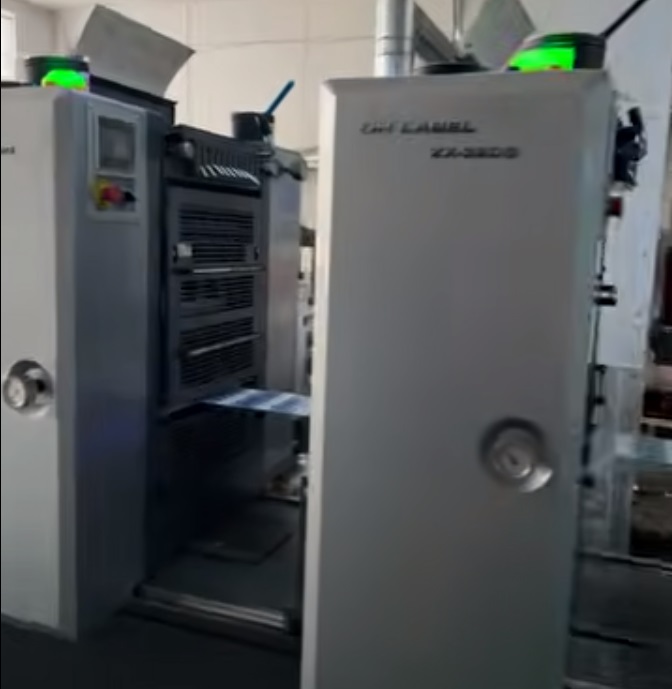
Companies like Qingdao xinsen packaging Co.,Ltd. are continuously innovating to meet these evolving demands.
Q1: What printer is best for blank labels?
A: It depends on your needs. Thermal printers are ideal for logistics, while inkjet printers are better for colorful designs.
Q2: Are blank labels waterproof?
A: Some are. Materials like PP and PET offer water resistance.
Q3: Can blank labels be customized?
A: Yes, they are designed for on-demand customization.
Q4: How do I prevent labels from peeling?
A: Choose the correct adhesive and ensure proper surface preparation.
Q5: Are blank labels cost-effective?
A: Yes, especially for businesses with frequently changing labeling needs.
Blank print labels offer unmatched flexibility, efficiency, and customization for modern businesses. By choosing the right materials, printing methods, and designs, companies can significantly improve their operational workflows and branding impact.
If you are looking for reliable and high-quality blank print label solutions, Qingdao xinsen packaging Co.,Ltd. provides a wide range of options tailored to your business needs.
Contact us today to discover how customized labeling solutions can elevate your brand and streamline your operations.