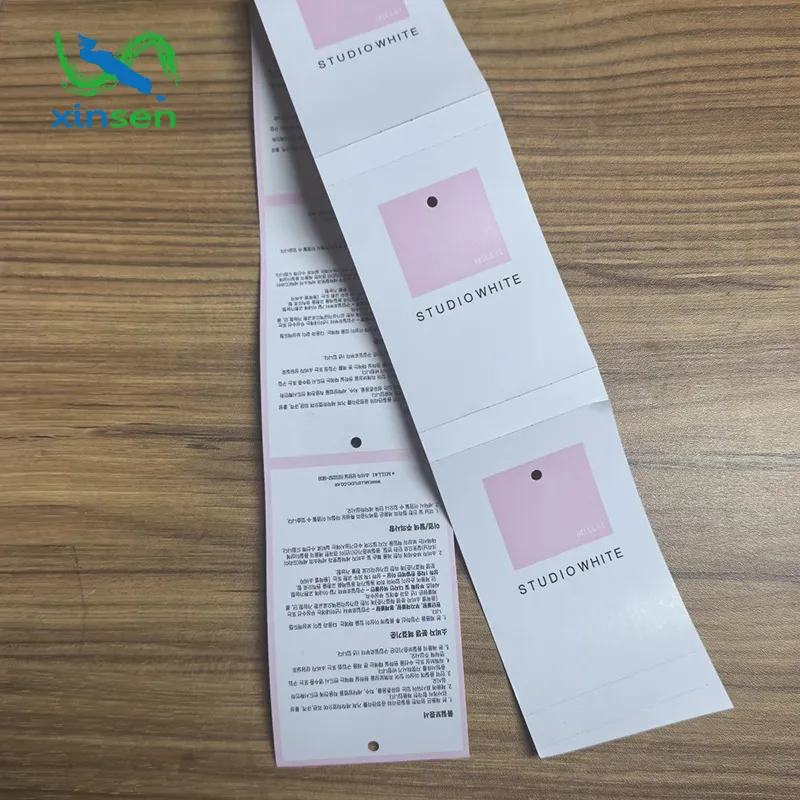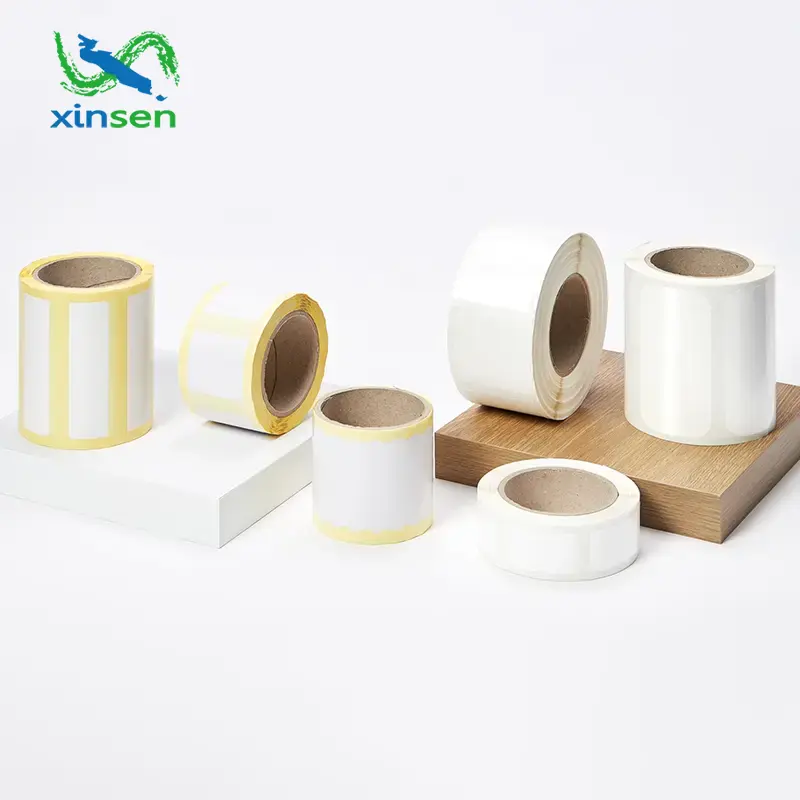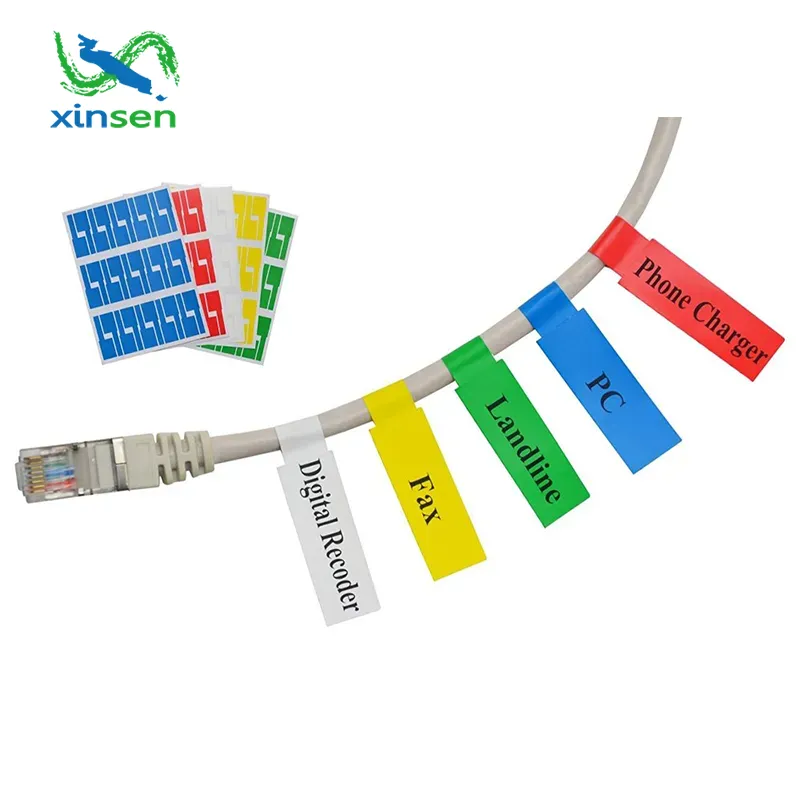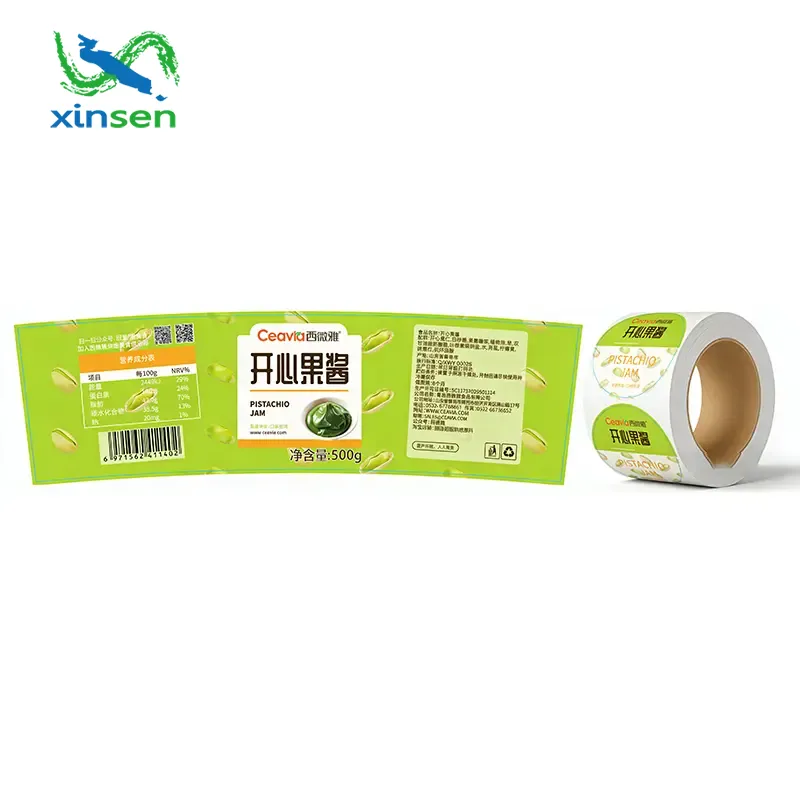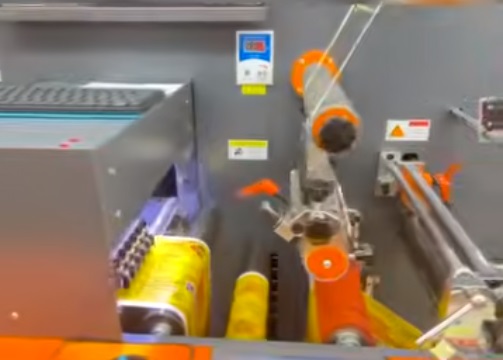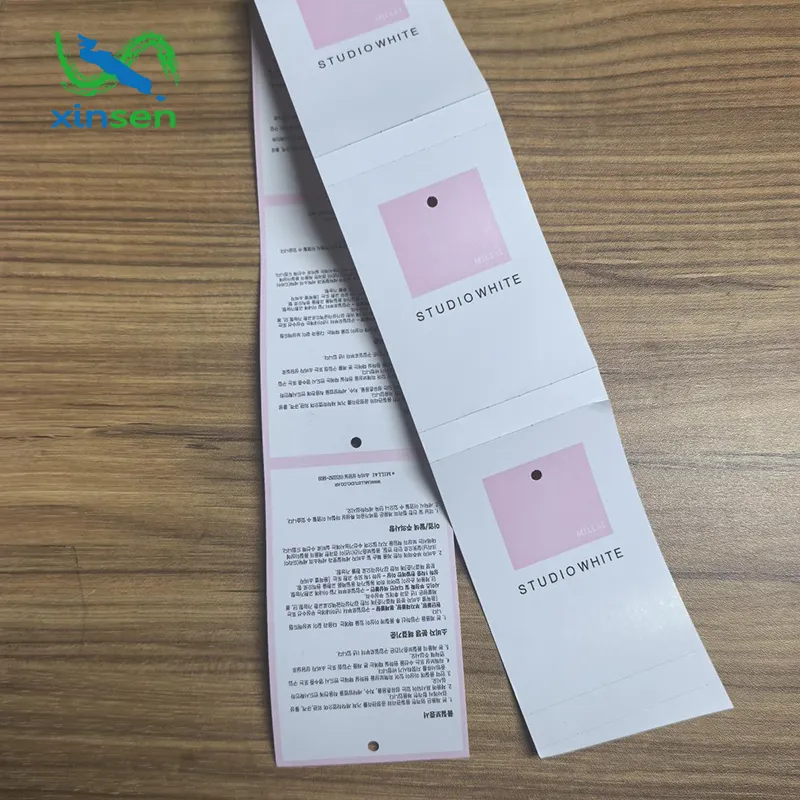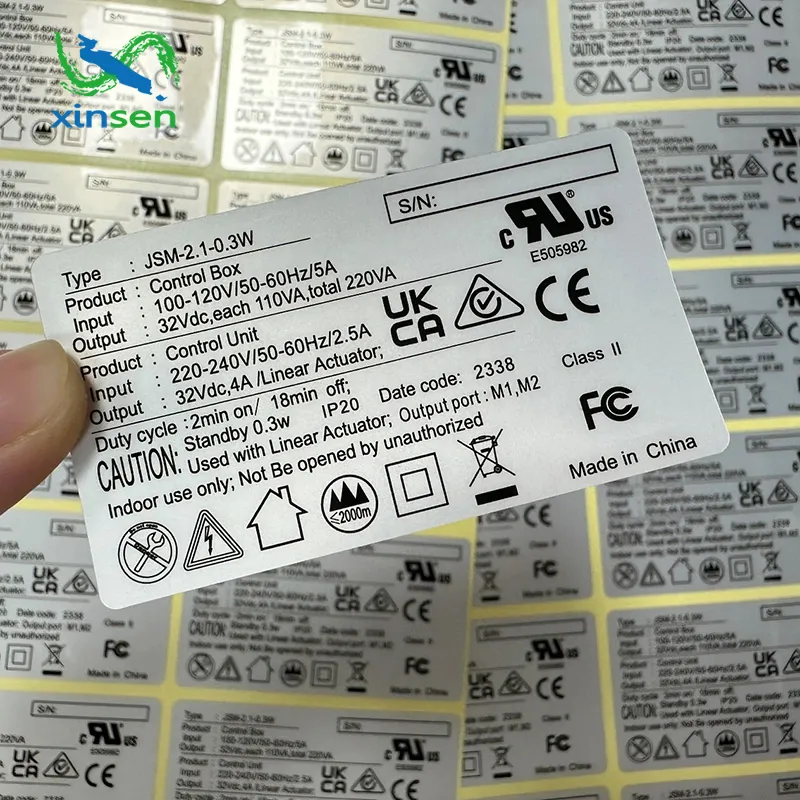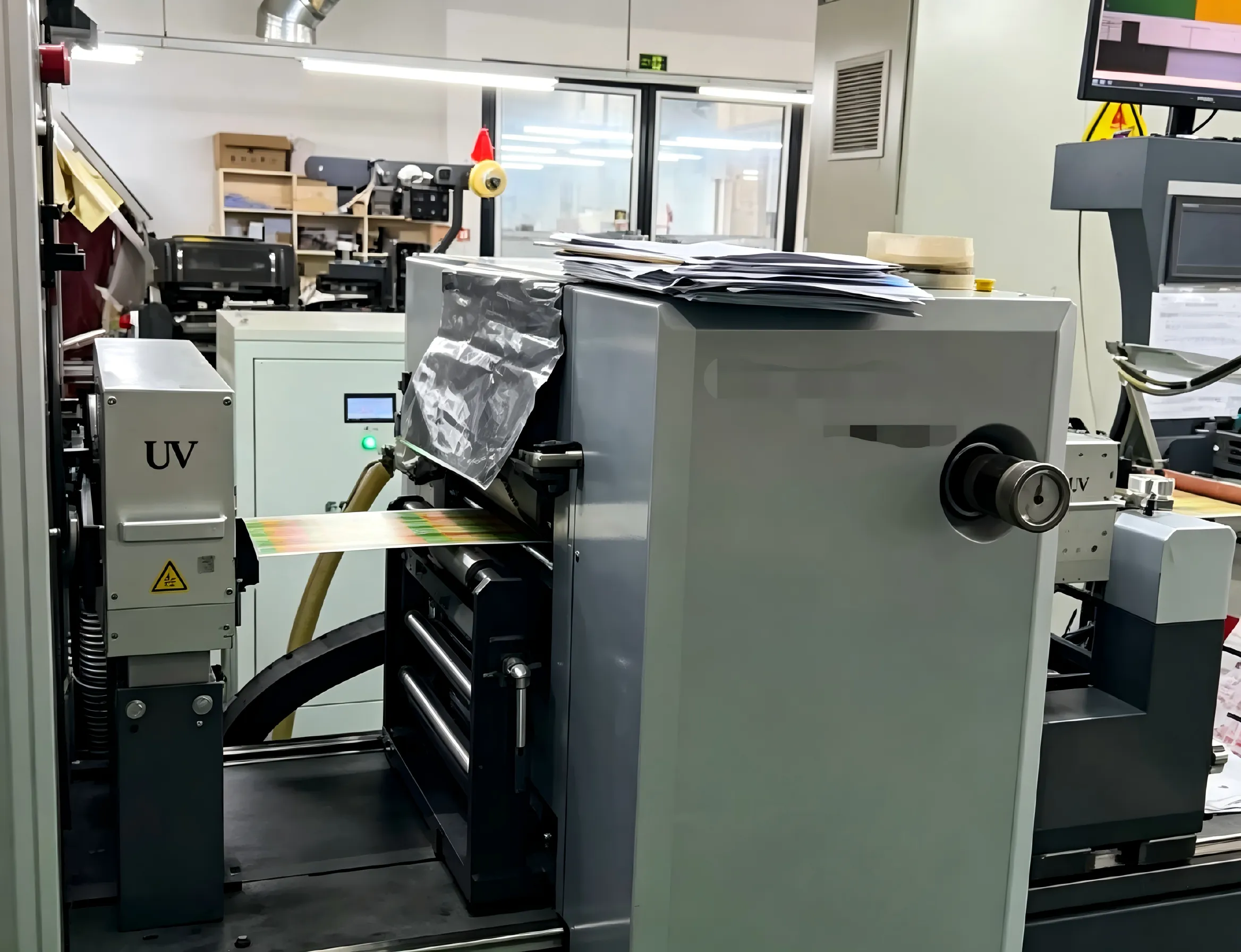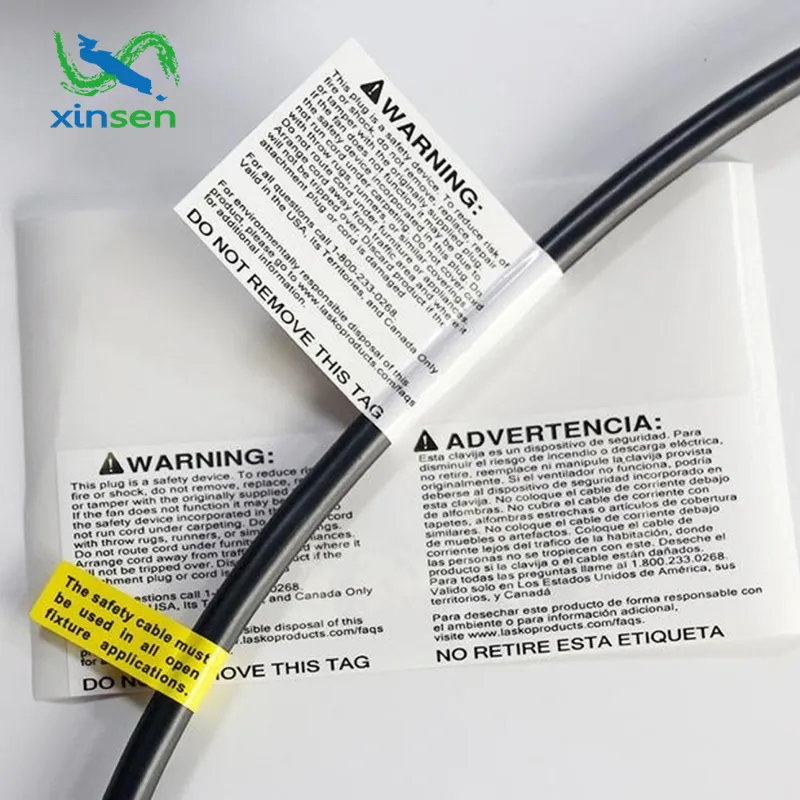
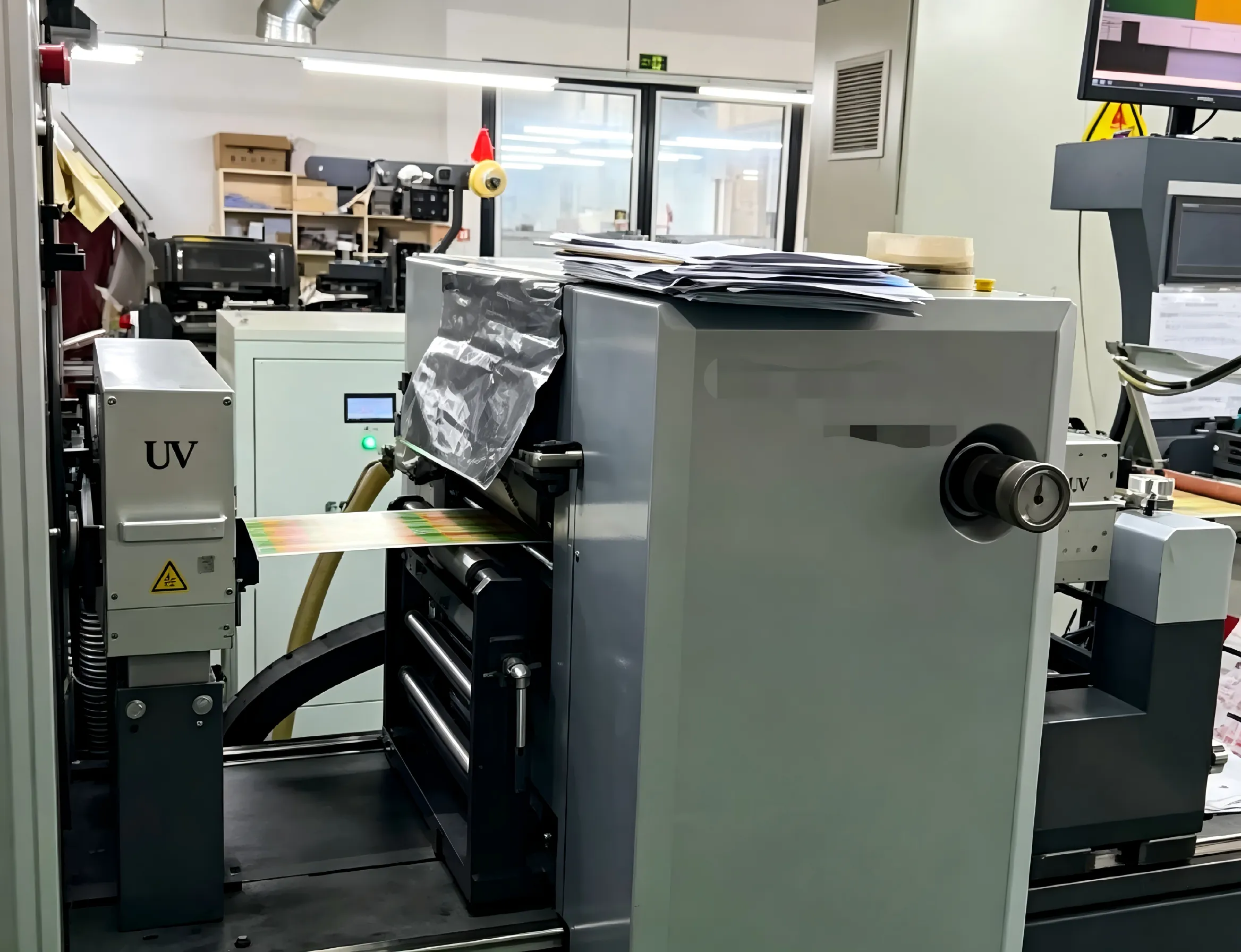
A self-adhesive label may look simple after it has been applied to a package, but producing a consistent roll of labels requires much more than printing ink onto paper. The video shows a PS version self-adhesive label printing process, where printed label material moves through the equipment in a continuous web, highlighting the production logic behind pressure-sensitive labels.
The timing is particularly relevant. According to Fortune Business Insights, the global self-adhesive labels market was valued at USD 53.73 billion in 2025 and is projected to reach USD 92.48 billion by 2034, representing a 6.10% CAGR. Asia-Pacific accounted for 39.40% of the global market in 2025, indicating the importance of self-adhesive label production within the region's packaging industry.
PS, or pressure-sensitive, labels are designed to adhere to a product surface when pressure is applied. Unlike traditional labeling methods that may require heat, water, or additional activation, pressure-sensitive labels offer a comparatively straightforward application process.
This makes them suitable for a wide range of packaging applications, including food and beverages, household products, personal care items, pharmaceuticals, consumer goods and industrial packaging. Their combination of printable surfaces and ready-to-use adhesive backing also allows manufacturers to create labels with different visual designs, product information and branding requirements.
The equipment shown in the video illustrates an important point: label printing is not simply about achieving attractive graphics.
For commercial label production, the printing process needs to balance color consistency, material handling, web stability and finishing requirements. The self-adhesive material has to pass through the printing system smoothly while maintaining accurate positioning of the printed design.
For packaging manufacturers, this matters because a label is often one of the first physical elements customers see. Small differences in registration, color or surface finish can become particularly noticeable when labels are produced in large quantities or applied across an entire product range.
-