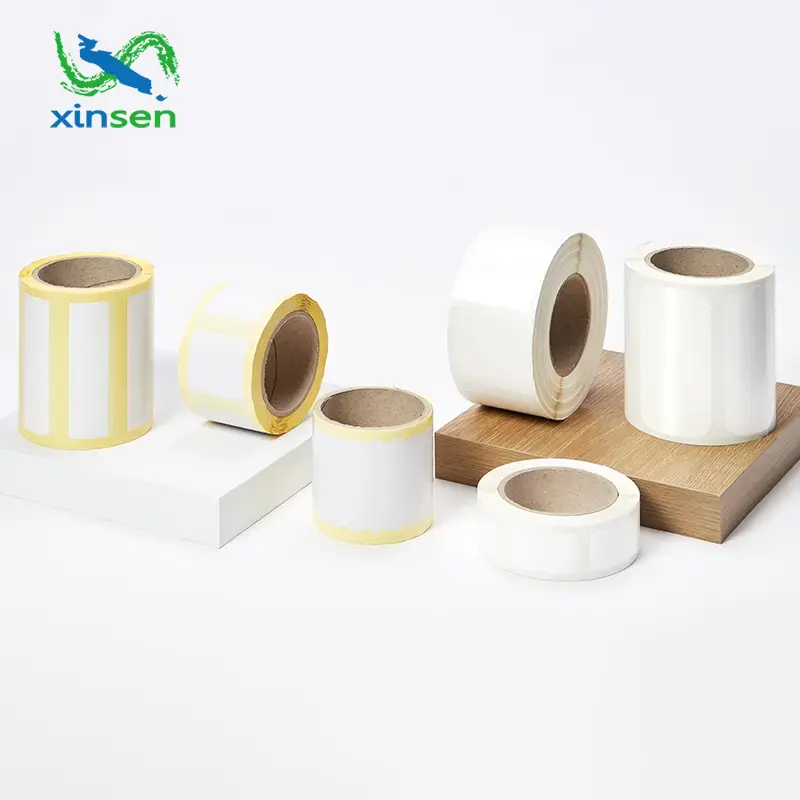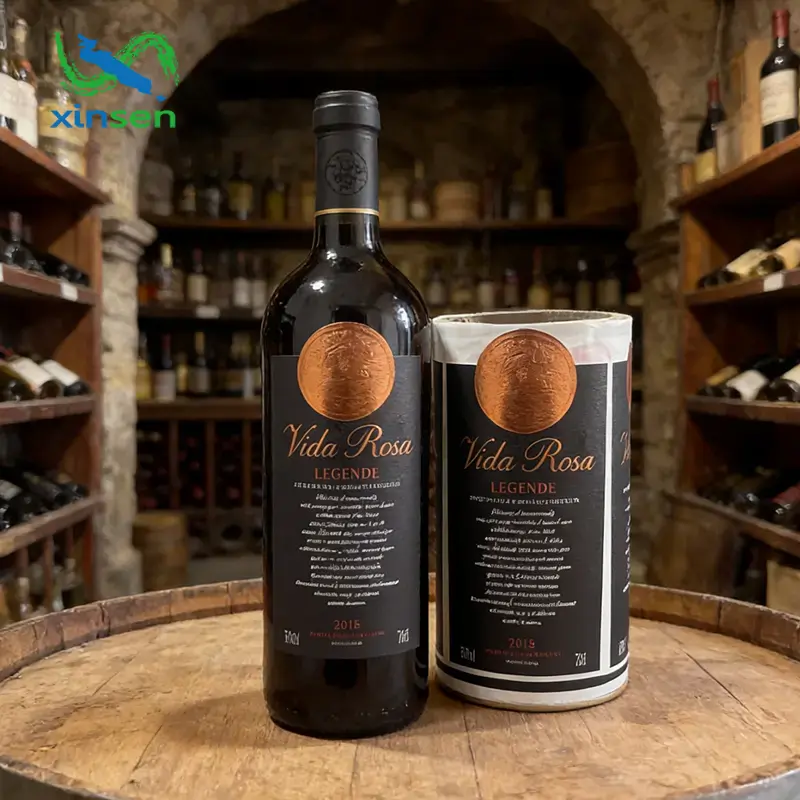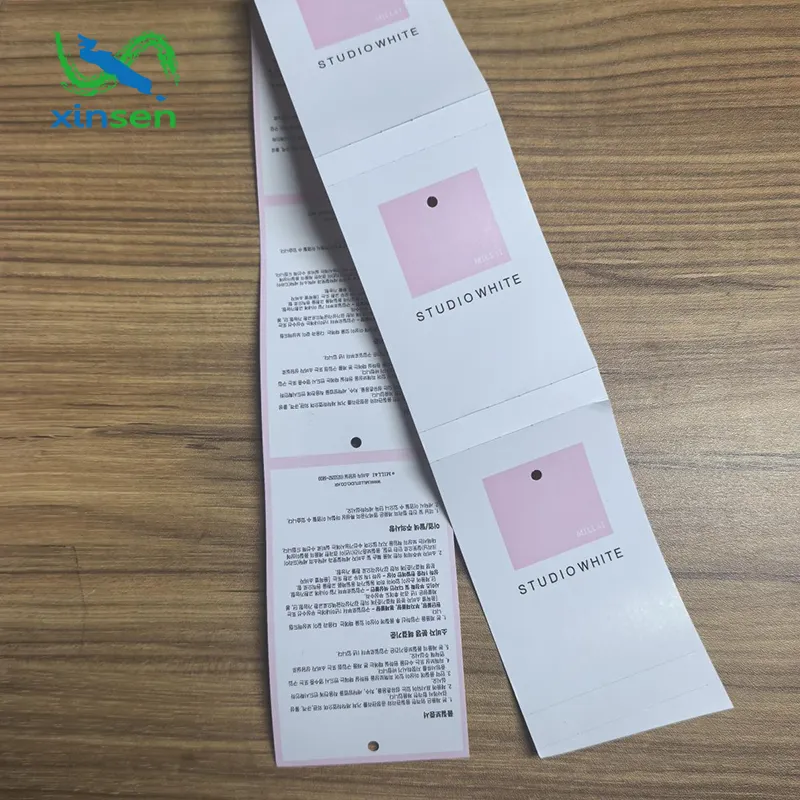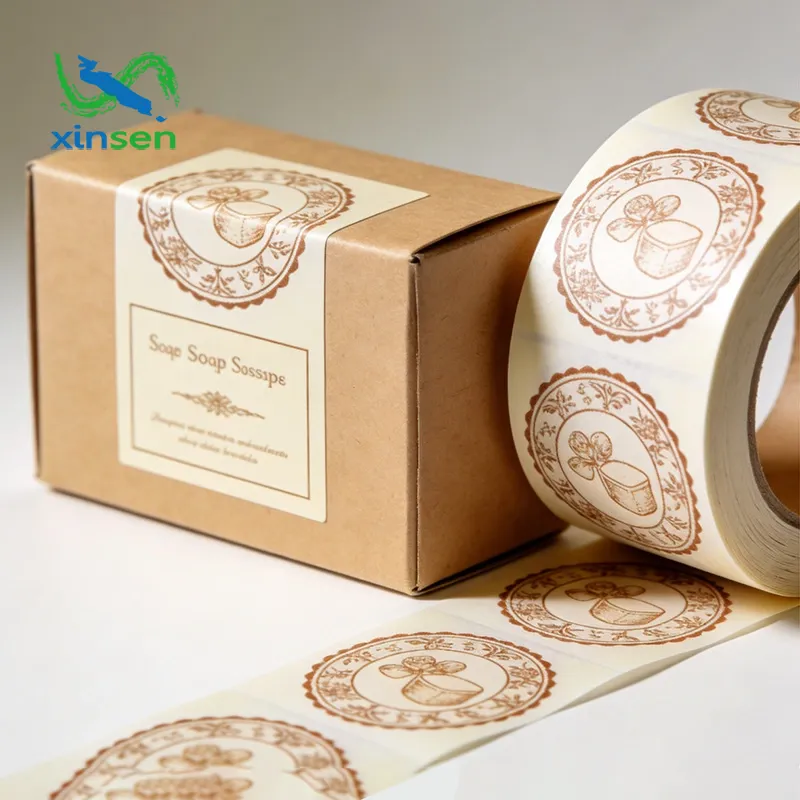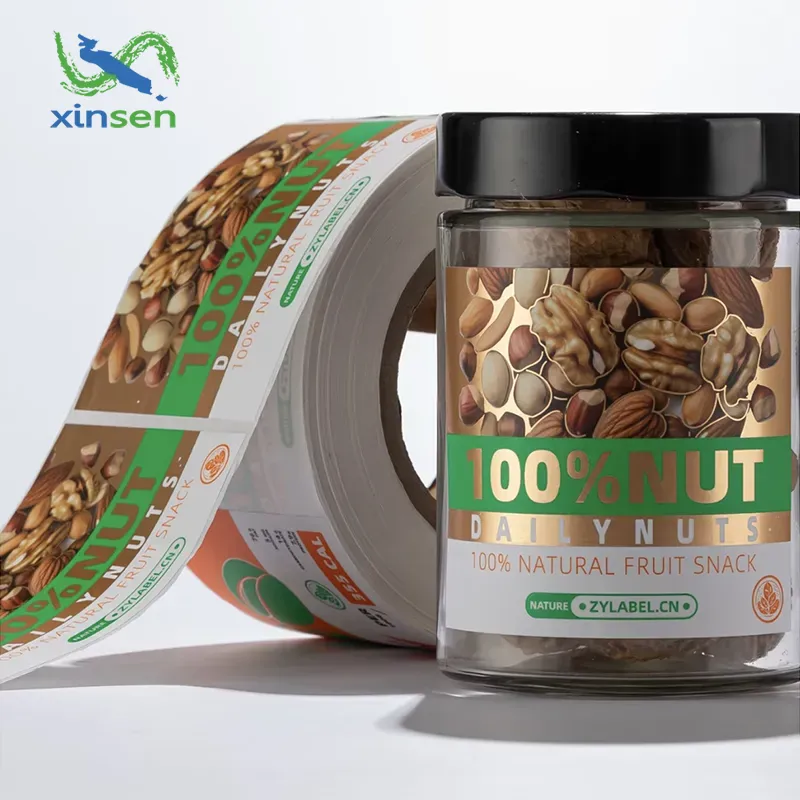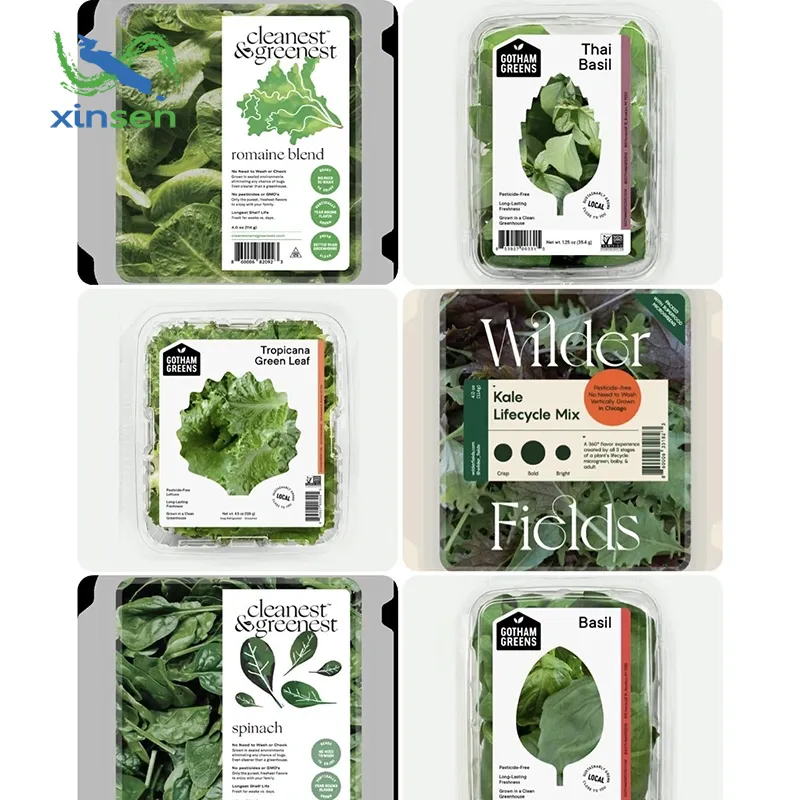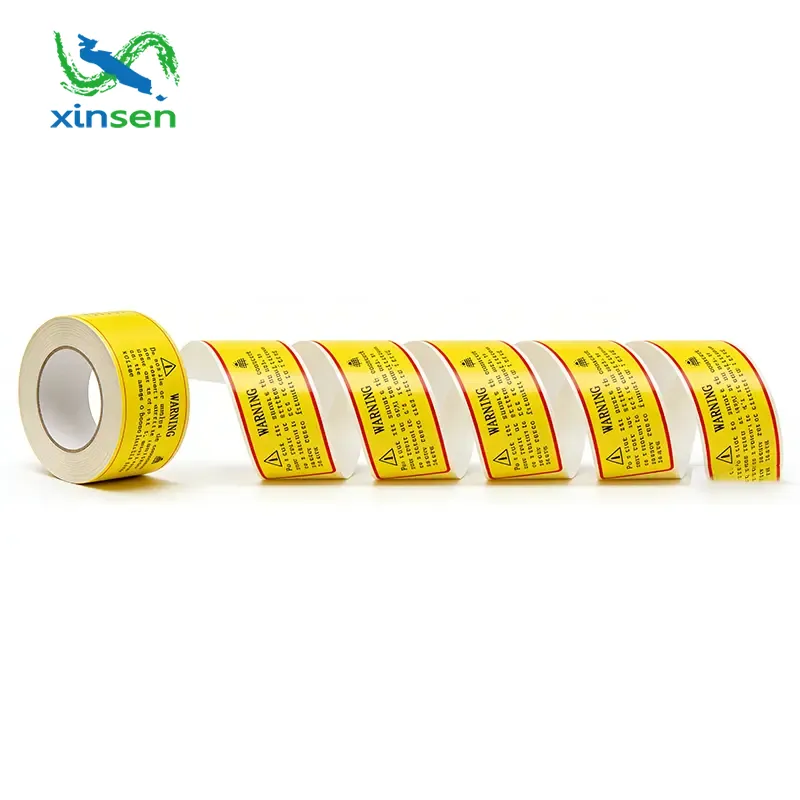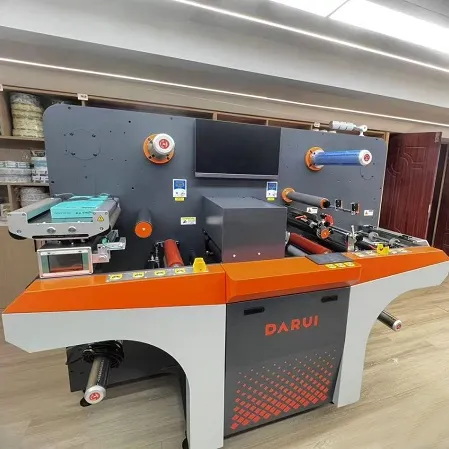
For decades, the humble Food Label has been a static carrier of ingredients, expiry dates, and barcodes. Now, smart digital alternatives – electronic shelf labels (ESL), RFID tags, and even e‑paper displays – promise real‑time updates and interactivity. But can they fully replace traditional printed labels? The answer is not a simple yes or no. This article examines the capabilities of smart digital food labels, their limitations, and why high‑quality printed Food Label solutions remain indispensable – especially when paired with a reliable manufacturer like Xinsen Packaging.
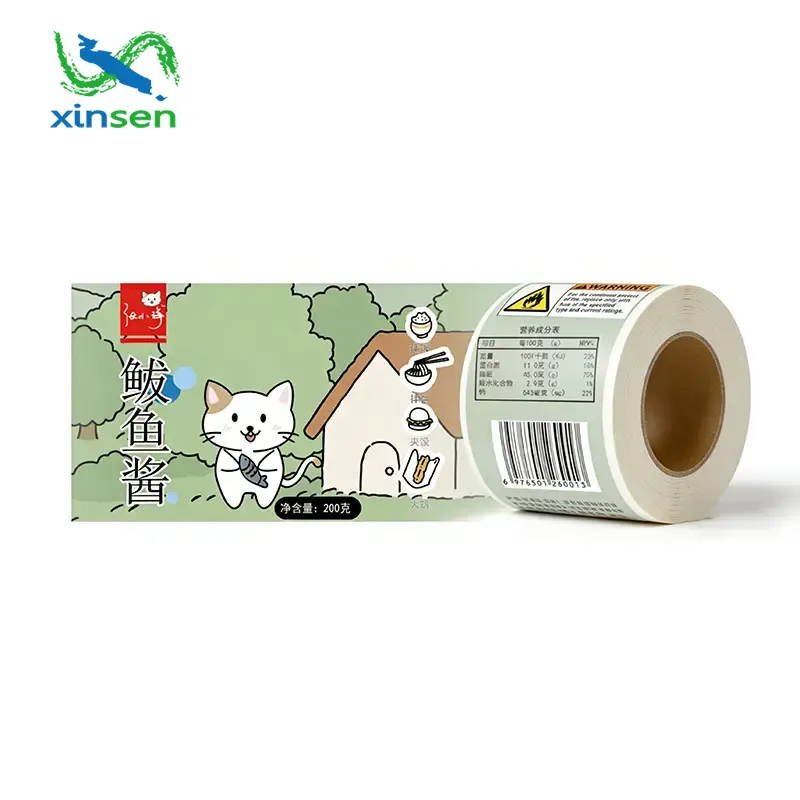
Smart digital labels use technologies such as:
These labels excel at dynamic data: a price change, a recall notice, or a freshness alert can be pushed instantly without reprinting millions of stickers. For retailers and food producers, this reduces waste, avoids manual relabelling, and enhances traceability.
| Pain Point | Traditional Printed Food Label | Smart Digital Label Solution |
|---|---|---|
| Last‑minute price or ingredient change | Requires reprint and manual replacement | Instant remote update |
| Product recall | Consumers may not see notice | Push notification via NFC or app |
| Cold chain verification | No visual indicator | Time‑temperature colour change |
| Consumer engagement | Static text | Tap for recipes, videos, or loyalty rewards |
| Expiry waste | Fixed date printed | Dynamic “best before” based on storage conditions |
These benefits are real. Major European and North American retailers are already deploying ESLs for shelf edges, and some premium food brands use NFC tags to fight counterfeiting.
Despite the hype, smart digital labels face four fundamental limitations:
Thus, the near‑future scenario is hybrid: smart tags for premium or high‑risk products, complemented by durable printed Food Label solutions for the majority of packaging.
| Parameter | Smart Digital Label (e.g., ESL/RFID) | High‑Quality Printed Food Label |
|---|---|---|
| Unit cost (volume) | 0.20–0.20–2.00 | 0.002–0.002–0.02 |
| Update capability | Real‑time, wireless | Static – requires reprint |
| Reader requirement | Electronic (phone or dedicated terminal) | None – visible to naked eye |
| Lifespan | 3–7 years (battery‑limited) | Indefinite (UV‑/moisture‑resistant) |
| Environmental impact | Batteries, electronics (harder to recycle) | Paper/film – recyclable or compostable |
| Best use case | Dynamic pricing, cold chain, anti‑counterfeit | High‑volume basics, single‑use packaging |
| Regulatory acceptance | Partial (supplementary) | Full (mandatory for most regions) |
For procurement managers and brand owners, the question “Can smart replace printed?” should be rephrased as “How do we combine both for maximum ROI?”
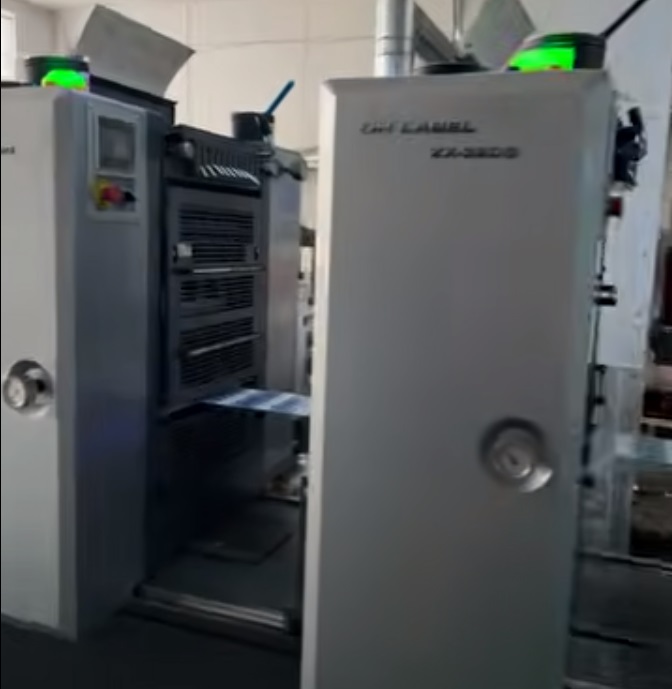
Printed Food Label first – Use a reliable, experienced partner for the primary label that carries mandatory information, brand identity, and scannable barcodes. Xinsen Packaging, founded in 2008, offers advanced self‑adhesive Food Label printing for electronics, medical, food, daily chemicals, and automotive sectors. Their equipment, technology, and service ensure “exquisite technology, high‑quality service, and reasonable prices” – a foundation of trust for any hybrid strategy.
Smart digital supplement – Add NFC or time‑temperature indicators only for:
By keeping the base Food Label printed by a quality supplier like Xinsen Packaging, you gain flexibility without exploding costs.
Before finalising your packaging strategy, verify:
Xinsen Packaging meets these criteria, backed by a decade of rapid growth and a diverse client base.
Smart digital food labels are powerful tools – for dynamic pricing, traceability, and consumer engagement. However, they will not replace printed Food Label solutions in the foreseeable decade due to cost, regulatory, and accessibility barriers. The winning strategy is a hybrid model: high‑quality printed labels from a trusted manufacturer like Xinsen Packaging as the backbone, augmented by smart tags where the ROI makes sense. People who adopt this balanced approach will reduce waste, meet regulations, and stay ahead of the digital curve – without breaking their packaging budget.
Keep your printed Food Label supply chain robust. Use the table above to evaluate where smart labels add value, and always demand samples for adhesion, clarity, and durability from your print partner.